In the global apparel supply chain, T-shirts have consistently been one of the most stable and highest-demand basic clothing categories. For brand owners, e-commerce brands, trendy clothing brands, and corporate apparel projects, finding a reliable wholesale t-shirt manufacturer is often a crucial first step in establishing a stable supply chain.
The European market has seen continuous growth in demand for customized T-shirts in recent years. Simultaneously, with the increase in e-commerce brands, independent designer brands, and corporate group apparel customization, more and more buyers are seeking T-shirt manufacturing factories that can provide OEM and ODM customization services.
For buyers, choosing the right wholesale T-shirt manufacturer is not just about finding the lowest-priced supplier; more importantly, it involves assessing production capacity, quality consistency, customization service capabilities, and the reliability of long-term cooperation.
How to Choose a Professional Wholesale T-shirt Manufacturer
For apparel brands, T-shirts are typically one of the core items in their product line. Whether it’s a streetwear brand, a corporate uniform project, or an e-commerce brand, a stable T-shirt supply chain is fundamental to brand development. Therefore, most European brands prefer to partner with professional wholesale T-shirt manufacturers rather than small, scattered producers.
Firstly, professional manufacturers usually have well-established production systems. Standardized production lines ensure consistency in fabric sourcing, cutting, sewing, ironing, and quality inspection. This consistency is crucial for brands in bulk orders, as uniformity in garment size, color, and fit directly impacts the consumer experience.
Secondly, established T-shirt manufacturers typically offer comprehensive customization services, including logo printing, graphic design, color customization, and pattern development. Many brands lack a dedicated design team in the early stages of product development, so a factory’s design support capabilities significantly improve product development efficiency.
For buyers, there are some simple yet effective methods for selecting suppliers.
Common supplier screening steps include:
- Understanding basic factory information through B2B platforms (Alibaba, Global Sources)
- Using ImportGenius or Panjiva to query supply chain data
- Checking if the factory possesses textile certifications such as OEKO-TEX and GOTS
- Requesting sample garment testing and fabric specifications from the factory
These methods can help buyers quickly identify manufacturers with genuine production capabilities and reduce supply chain risks.
Heyisenlin: A Factory Providing OEM and ODM Customization Services
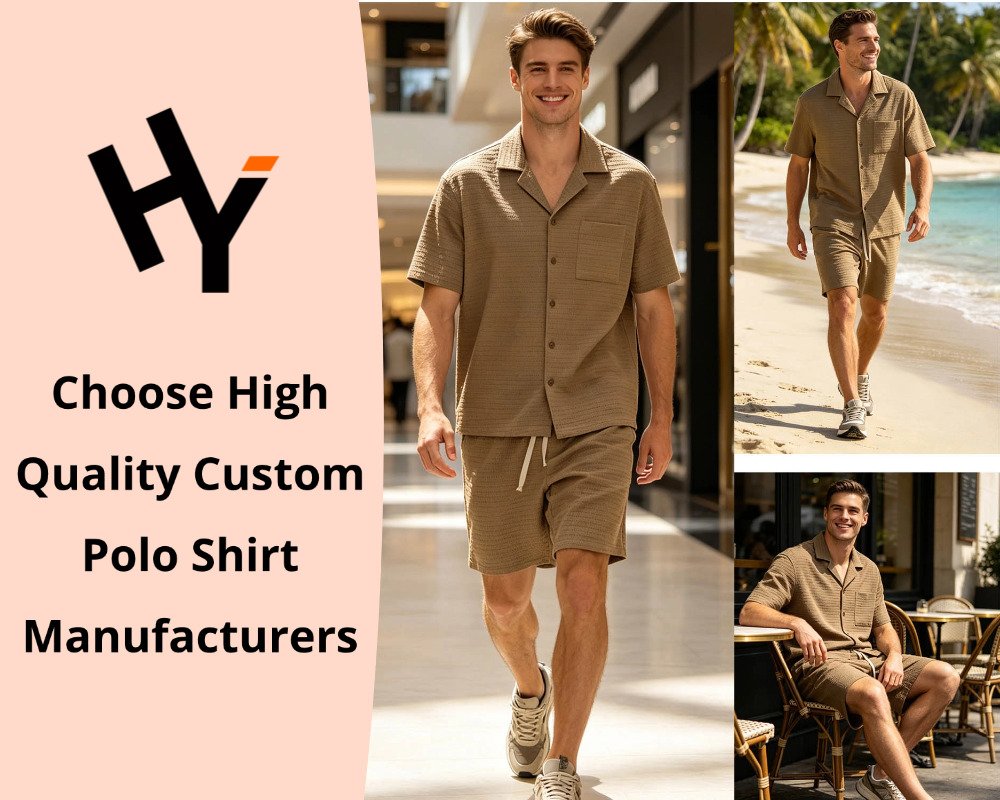
In the customized T-shirt supply chain, OEM factories with production scale and customization capabilities are generally more popular with brand buyers. Heyisenlin is a manufacturing factory specializing in customized T-shirt sets, providing wholesale customization services to global clients.
Heyisenlin has approximately 5 years of experience in garment manufacturing, with a factory area of approximately 8,000 square meters, a team of approximately 100 employees, and 60 garment production machines. This scale can support production needs from small-batch trial orders to large-volume orders, offering high flexibility for growing brands.
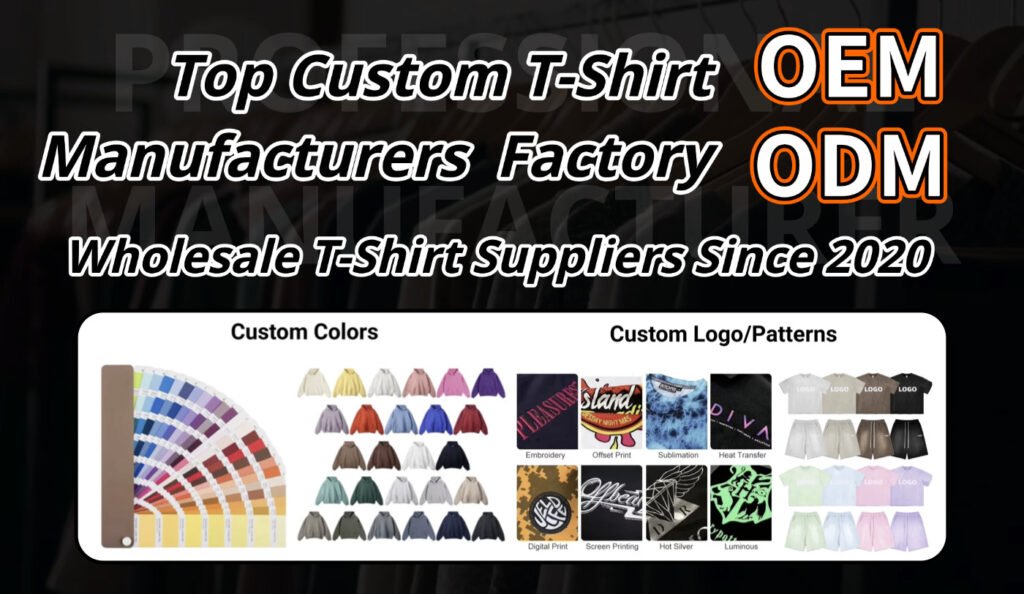
Regarding customization services, Heyisenlin primarily offers two cooperation models: OEM and ODM. OEM services are suitable for brands that already have complete design plans, with the factory producing according to the drawings or samples provided by the client; while ODM services are more suitable for new brands or startup teams, with the factory assisting in pattern design, pattern development, and fabric suggestions.
Specific customization options typically include:
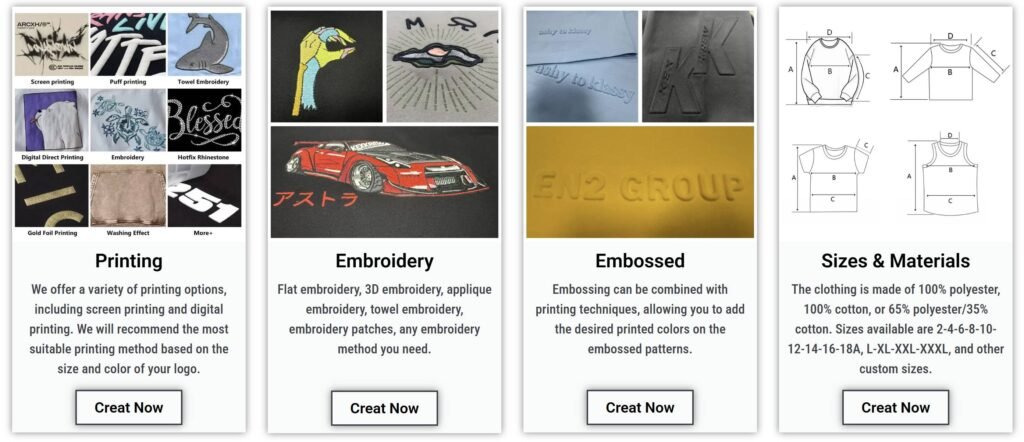
- Logo Customization: Supports screen printing, heat transfer printing, and embroidery.
- Pattern Customization: Print development based on brand designs.
- Color Customization: Fabric color adjustment based on Pantone color charts.
- Pattern Design: Providing T-shirt pattern development in different styles.
Regarding the production process, standard collaboration steps typically include requirements communication, sample development, sample confirmation, mass production, and quality inspection. This process helps clients confirm product details before formal production, reducing risks during mass production.
Compared to some suppliers that only provide basic wholesale products, Heyisenlin’s advantage lies in its customization capabilities and production flexibility. This collaboration model is often more suitable for clients who want to create products with a distinctive brand identity.
Stanley/Stella: A Leading European Sustainable T-shirt Manufacturer
In the European apparel market, sustainable production is gaining increasing importance for brands and consumers. Stanley/Stella, a European-based apparel manufacturer, is renowned for its eco-friendly textiles and sustainable production systems.
The brand primarily focuses on organic cotton T-shirts and eco-friendly fabrics, and is GOTS (Global Organic Textile Standard) certified. This certification means that strict environmental standards must be met from raw material cultivation to textile production, making it a popular choice for many environmentally conscious apparel brands.
Stanley/Stella’s products are typically positioned in the mid-to-high-end custom apparel market. Their T-shirts are characterized by soft fabrics and comfortable fits, making them popular in branded accessories, designer brands, and high-end printed T-shirts.
For buyers, the advantages of this type of branded supplier lie in the consistent product quality and high brand reputation. However, compared to OEM factories, these suppliers often offer relatively limited customization flexibility, making them suitable for clients requiring standardized product lines.
Continental Clothing: A T-shirt Manufacturer Focused on Eco-Friendly Textiles
Continental Clothing is another influential apparel manufacturer in the European market. Founded in the UK, the company has a long-standing commitment to the production of environmentally friendly textiles and sustainable clothing.
The company’s T-shirts extensively utilize organic cotton, recycled fibers, and environmentally friendly dyeing techniques. This production method not only reduces environmental impact but also meets the European market’s demand for sustainable clothing.
Continental Clothing’s product line primarily targets branded apparel companies, printing companies, and the corporate custom clothing market. Many printing companies purchase its base T-shirts for secondary printing processing.
For buyers, this type of supplier typically offers the following advantages:
- Stable fabric quality
- Complete environmental certifications
- High brand reputation
However, because its positioning leans towards being an environmentally conscious brand supplier, it may not offer the same level of customization and pricing flexibility as OEM factories.
B&C Collection: A Major European Apparel Brand Supplier
B&C Collection is one of the most well-known apparel brand suppliers in Europe. Founded in Belgium, the company’s product line covers T-shirts, polo shirts, sweatshirts, and other basic clothing items.
The company’s biggest strengths are its mature product portfolio and stable bulk supply capabilities. Many European apparel brands source basic garments directly from B&C and then add their own brand printing or embroidery.
This model has significant advantages for bulk buyers. A mature product portfolio means a wider selection of patterns, fabrics, and colors, while also ensuring more consistent production quality.
However, this type of brand-oriented supplier is generally better suited for standard product sourcing. If a brand requires highly customized products, such as special patterns or unique fabrics, OEM manufacturing factories often have a greater advantage.
Fruit of the Loom: A Globally Renowned T-shirt Manufacturer and Wholesaler
Fruit of the Loom is one of the world’s most well-known basic clothing brands, with a history dating back to the mid-19th century. Over the years, it has become one of the world’s largest T-shirt manufacturers and retailers.
Fruit of the Loom is known for its consistent quality and large-scale production capabilities, making its basic T-shirts a popular choice for printing companies, branding agencies, and e-commerce sellers.
The brand’s strengths lie primarily in the following areas:
- A mature global supply chain
- Competitive pricing
- Mature designs for its basic T-shirts
However, compared to OEM factories, Fruit of the Loom is more of a brand supplier than a custom manufacturer. Its products are mainly standardized T-shirts; customization is typically handled by printing companies.
| Start Your order | Thomas@heyisenlin.com |
There’s no single answer when it comes to choosing the right t shirt factory wholesale for apparel brands. Different types of suppliers suit brands at different stages of development.
Generally speaking:
- Startups or designer brands are better suited to working with manufacturing plants that offer OEM/ODM services, as they offer greater customization flexibility.
- Established brands or printing companies tend to choose established brand suppliers to ensure consistent product quality.
In the actual procurement process, the following key factors should be considered:
- Confirm whether the factory’s minimum order quantity (MOQ) meets the brand’s needs.
- Request sample garments from the supplier for testing.
- Check for textile certifications and quality management systems.
- Understand the factory’s production cycle and delivery capabilities.
- Assess whether a long-term, stable partnership can be established.
By systematically evaluating supplier capabilities, brands can build a more stable supply chain and gain greater room for growth in the highly competitive apparel market.