From a supply chain perspective, Asia remains the core region for global apparel manufacturing. Countries like China, Vietnam, Bangladesh, and India have formed a complete system encompassing spinning, weaving, dyeing, and garment manufacturing. This highly integrated industrial structure gives Asian factories significant advantages in cost control, delivery management, and large-scale production.
In actual procurement, two core models need to be clearly defined:
- OEM (Original Equipment Manufacturer): Suitable for brands or corporate clients with existing designs, emphasizing execution capabilities and quality stability.
- ODM (Design + Manufacturing): Suitable for startup brands or clients lacking design resources; the factory must have design support capabilities.
Furthermore, the industry is showing significant differentiation:
- Large-volume wholesale (1000 pieces or more): Emphasizes price and scale.
- Small-volume customization (50–300 pieces): Emphasizes flexibility and responsiveness.
- POD (Production on Demand): Suitable for e-commerce companies to quickly test the market.
Understanding these trends will help you make more targeted choices when selecting suppliers, rather than blindly comparing prices.
Heyisenlin: Leading Manufacturer Balancing Scale and Flexible Production Capabilities
Among numerous Asian custom T-shirt manufacturers, Heyisenlin stands out for its balance of scale and flexibility. For clients requiring a stable supply while maintaining a degree of customization freedom, this type of factory facilitates long-term partnerships.
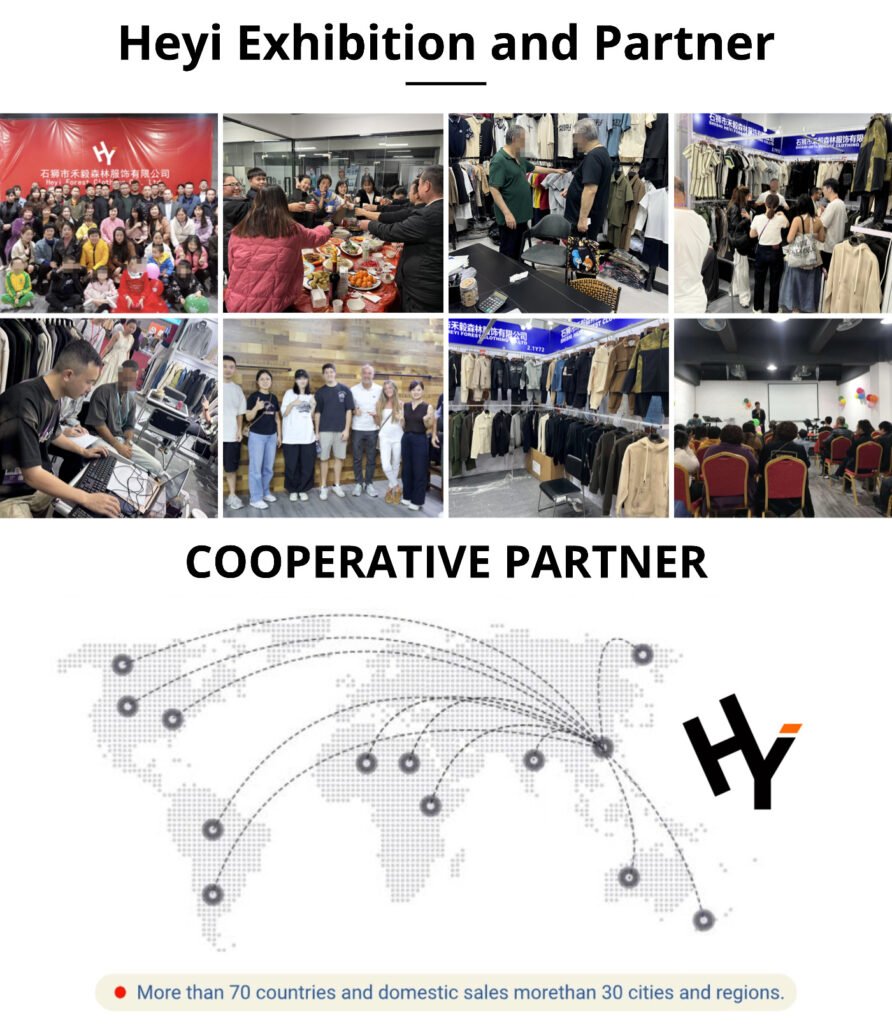
In terms of basic capabilities, the factory boasts approximately 5 years of production experience, an 8,000-square-meter plant, around 100 employees, and over 60 production machines covering cutting, sewing, printing, and finishing processes. This configuration offers a good balance for a mid-sized manufacturer, capable of handling both bulk orders and frequent style changes.
Regarding customization capabilities, Heyisenlin’s core advantages lie in the following aspects:
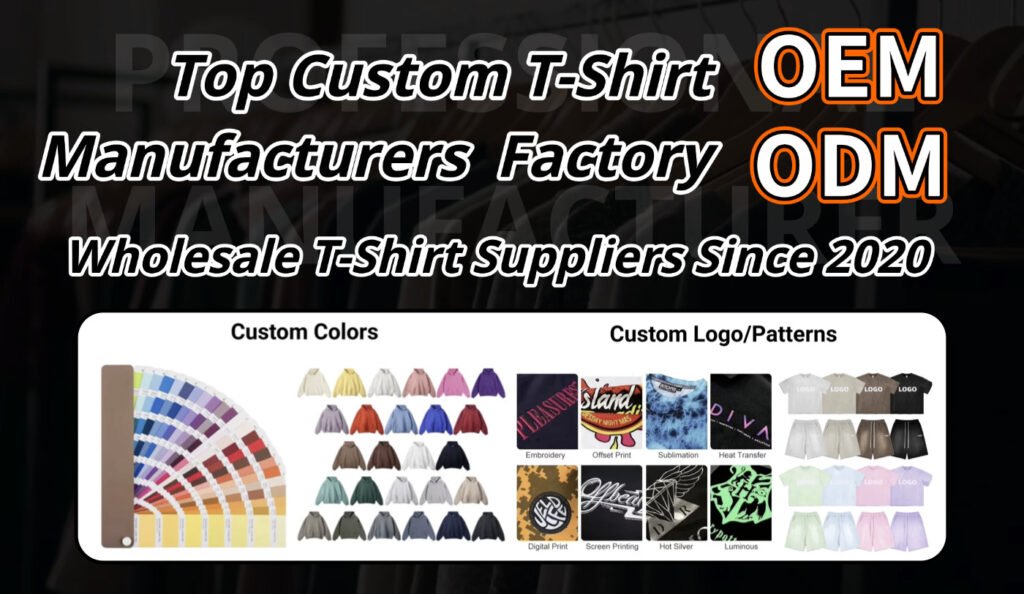
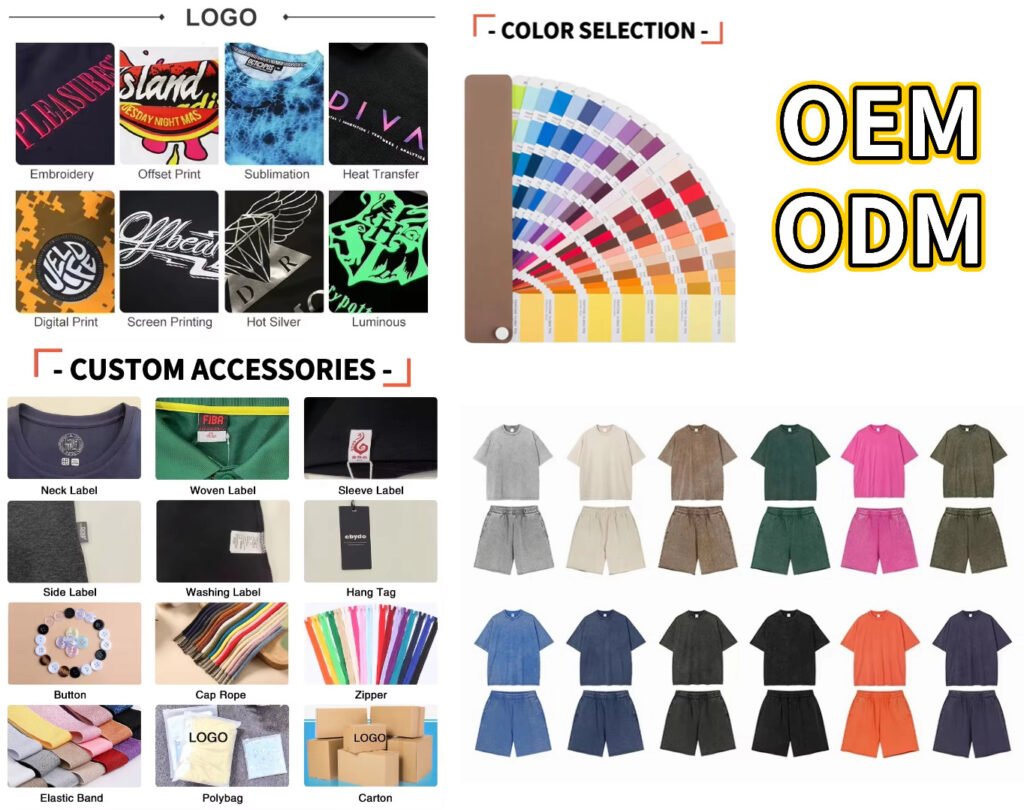
Firstly, its multi-process support capabilities. This includes common processes such as screen printing, heat transfer printing, and embroidery, allowing for the selection of the most suitable implementation method based on different design needs. For example, large-area patterns are suitable for screen printing, while small-batch, complex patterns are better suited for heat transfer printing.
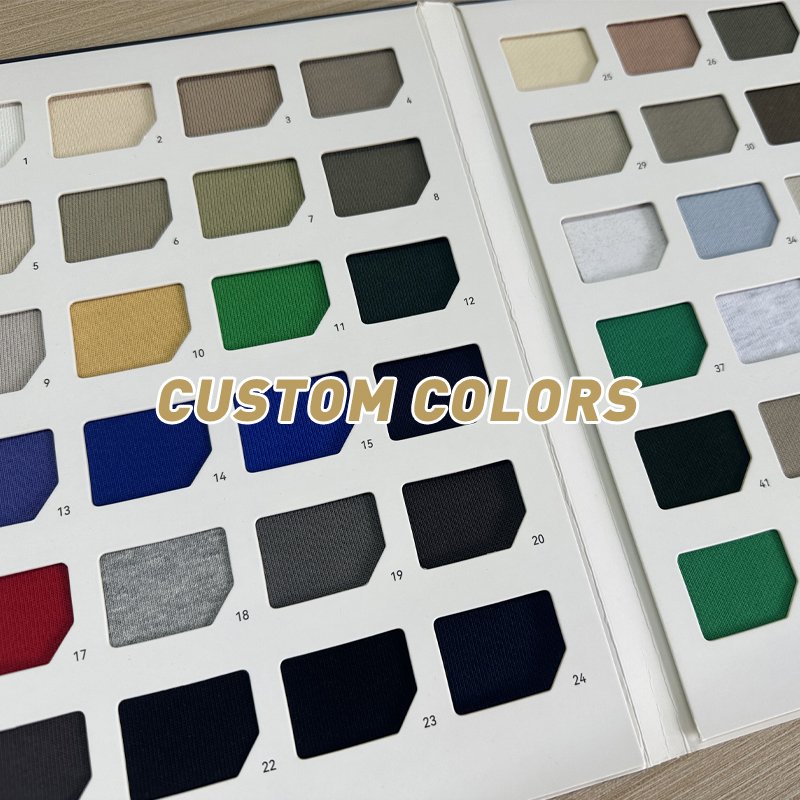
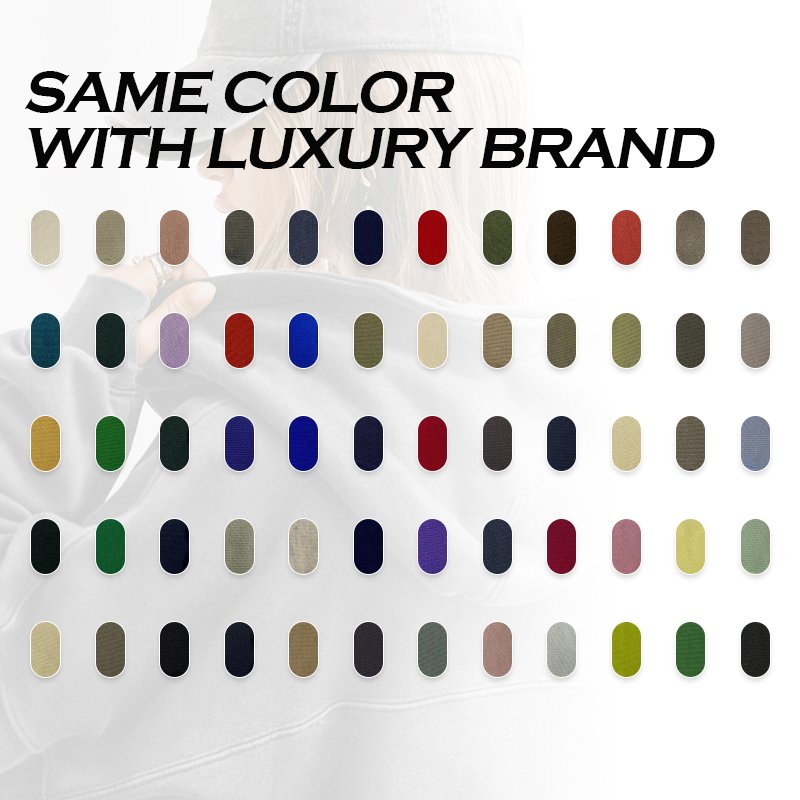
Secondly, it offers flexible selection of fabrics and patterns. Clients can choose from pure cotton, polyester-cotton blends, or functional fabrics based on their target market, and basic pattern adjustments are supported, which is crucial for brand differentiation.
Furthermore, there’s the issue of sampling and response speed. In actual collaborations, the sampling cycle is typically controlled within 3-7 days, which is especially important for clients who need to quickly launch new products or participate in promotional events.
Compared to competitors, the advantage of these factories lies not in extremely low prices, but in:
- The ability to handle small to medium batch orders (reducing inventory pressure)
- Higher communication efficiency (reducing the cost of repeated modifications)
- Relatively standardized quality control processes (usually referencing AQL standards)
- Stable delivery times (suitable for long-term cooperation)
For clients who want to build a brand rather than make one-time purchases, this type of “stable supplier” is more valuable.
Printful Asia: On-Demand Manufacturing Expert Driven by Digital Customization
Printful represents a completely different model: “Print on Demand.” This model doesn’t rely on traditional mass production but instead automates order processing, enabling single-piece production and global shipping.
Its core advantage lies in extremely low inventory risk. For startup e-commerce brands, it allows them to test product popularity without inventory pressure. Once a design performs well, it can be moved to a mass production factory to reduce costs.
Furthermore, Printful supports integration with platforms like Shopify and Etsy, enabling automated order flow. This systematic capability significantly reduces operational complexity.
However, this model also has significant limitations:
- High unit cost, unsuitable for scalable profitability
- Limited customization depth, difficult to achieve complex processes
- Relatively weaker brand control
Therefore, it is more suitable as a “market testing tool” rather than a long-term main supply chain.
Alibaba Certified Factory Cluster: A Cost-Effective Choice for Wholesale and Customization
For large-volume procurement needs (such as corporate events and channel distribution), finding certified factories through Alibaba remains a mainstream method. The platform’s “Verified Supplier” system provides basic qualification screening criteria.
In actual selection, the following dimensions should be emphasized:
- Does the factory have a complete production chain (not just a pure trading company)?
- Does it provide genuine production videos or factory audit reports?
- Are historical order reviews stable?
From a regional perspective:
- Chinese factories: Strongest overall capabilities, suitable for mid-to-high-end orders
- Vietnamese factories: Moderate costs, stable delivery times
- Bangladesh factories: Significant price advantages, suitable for large orders
To reduce risk, it is recommended to use the following tools in conjunction:
Alibaba Trade Assurance: Ensures the safety of transaction funds
Third-party factory audit agencies (such as SGS, BV): Verify genuine production capabilities
In practice, it is not recommended to compare only prices, but to comprehensively consider “unit cost + communication cost + quality risk”.
Royal Apparel Asia: Focus on High Quality and Sustainable Manufacturing
With increasing emphasis on environmental protection and brand value, more and more brands are focusing on sustainable manufacturing. Royal Apparel Asia represents this trend.
Its characteristics include:
- Using organic cotton or recycled fibers
- Following environmental certification systems (such as GOTS, OEKO-TEX)
- Emphasizing long-term durability and wearing comfort
These factories are typically more expensive, but they can enhance brand premium. This is a worthwhile option for brands targeting the mid-to-high-end market or exporting to Europe and America.
It’s important to note that sustainable materials usually require higher standards in production processes and supply chain management; therefore, when choosing such factories, special attention should be paid to the authenticity and sustainability of their certifications.
How to Choose the Right Custom T-Shirt Manufacturer
Choosing the wholesale shirt manufacturer in the actual procurement process is not simply a matter of comparing quotes, but a systematic decision-making process. The following methods can be applied directly:
First, clarify your own needs. This includes order quantity, budget range, target market, and product positioning. Different needs correspond to completely different types of suppliers.
Second, assess the factory’s capabilities. Don’t just look at pictures or quotes; focus on whether they have actual production capabilities, such as equipment configuration, past cases, and customer types.
Third, conduct sample testing. Pay close attention to the fabric feel, print fastness, and performance after washing; this is a crucial step in judging quality.
Fourth, establish delivery times and communication mechanisms. Clearly defining production cycles, modification processes, and emergency handling methods can effectively reduce later risks.
Finally, evaluate from a long-term cooperation perspective. A good supplier should be able to provide continuous support as your business grows, not just for a single order.
During negotiations, some practical techniques can also be used:
- Reduce MOQ pressure by increasing the number of styles rather than the number of individual styles.
- Optimize the combination of fabrics and processes to achieve cost balance.
- Clearly define quality standards and compensation mechanisms in the contract.
| Start Your order | Thomas@heyisenlin.com |
The Asian custom T-shirt manufacturing market has gradually shifted from “price competition” to “competition based on comprehensive capabilities.” Whether it’s a balanced manufacturer like Heyisenlin, Printful’s on-demand production model, or Alibaba’s mass supply chain, they are all essentially solutions serving different stages and needs.
The real key is not “which one is the best,” but “which one is best suited to your current stage of development.”
If you can choose a matching manufacturing partner based on your own business model and establish a stable cooperative relationship, then the supply chain will no longer be a limitation, but will become one of your core competitive advantages.